

When planning a home security system, one of the biggest decisions homeowners face is whether to install indoor security cameras, outdoor security cameras, or a combination of both. At first glance, the answer might seem obvious - place cameras outside to stop intruders before they enter. However, home security isn't always that straightforward. Each type of camera serves a different purpose, and understanding those differences can help you build a smarter, more effective security system.
The truth is, there isn't a one-size-fits-all solution. A small apartment may only need a single indoor camera, while a larger home with multiple entrances could benefit from several outdoor cameras and strategically placed indoor devices. The right choice depends on your home's layout, your budget, and the type of protection you're looking for.
Rather than asking which camera is better, it's more useful to ask what role you want your cameras to play. Are you trying to prevent break-ins, monitor deliveries, keep an eye on children or pets, or simply gain peace of mind while you're away? Answering these questions will help you decide whether indoor cameras, outdoor cameras, or both are the best fit for your home.
Understanding the Purpose of Security Cameras
Security cameras do much more than record video. Modern cameras can detect motion, send instant notifications to your smartphone, allow two-way communication, and even distinguish between people, vehicles, animals, and packages using artificial intelligence.
Despite sharing many of the same features, indoor and outdoor cameras are designed for different environments and different security goals.
Outdoor cameras focus on preventing threats before someone reaches your home. They monitor driveways, front doors, garages, backyards, and other exterior areas where suspicious activity may occur.
Indoor cameras, on the other hand, help you monitor what happens inside your home. They provide visibility into entryways, hallways, living rooms, and other shared spaces while also helping homeowners keep an eye on children, elderly family members, or pets.
Both contribute to home security, but they do so in different ways.
What Makes Outdoor Security Cameras Different?
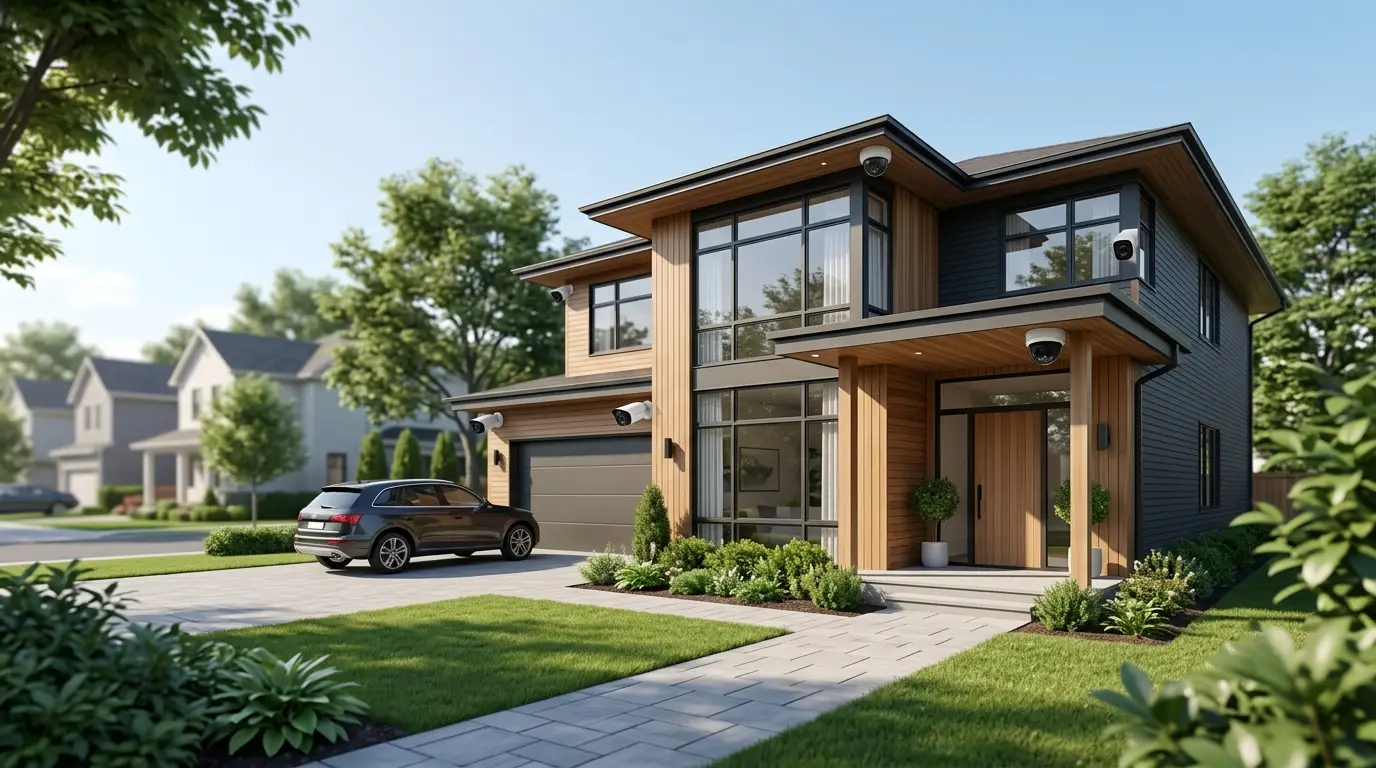
Outdoor security cameras are built to withstand changing weather conditions while continuously monitoring the exterior of your property. Unlike indoor models, they are designed with durable weather-resistant housings that protect against rain, snow, dust, humidity, and extreme temperatures.
Most outdoor cameras are installed above entry points or mounted high enough to provide a wide field of view. Their main objective is to detect suspicious activity before an intruder reaches your home.
Many outdoor cameras also include features such as infrared night vision, motion-activated recording, built-in spotlights, and sirens that can discourage unwanted visitors. Some advanced models even use artificial intelligence to distinguish between people, vehicles, animals, and everyday movement, helping reduce unnecessary notifications.
Perhaps their greatest advantage is visibility. A clearly visible outdoor camera acts as a strong deterrent because potential intruders know they are being recorded before attempting to enter the property.
Benefits of Outdoor Security Cameras
Outdoor cameras provide several important advantages that make them an essential part of many home security systems.
They monitor visitors before they reach your front door, allowing you to identify unexpected guests, delivery drivers, or suspicious individuals. They also help protect valuable outdoor property such as vehicles, bicycles, lawn equipment, and packages left at your doorstep.
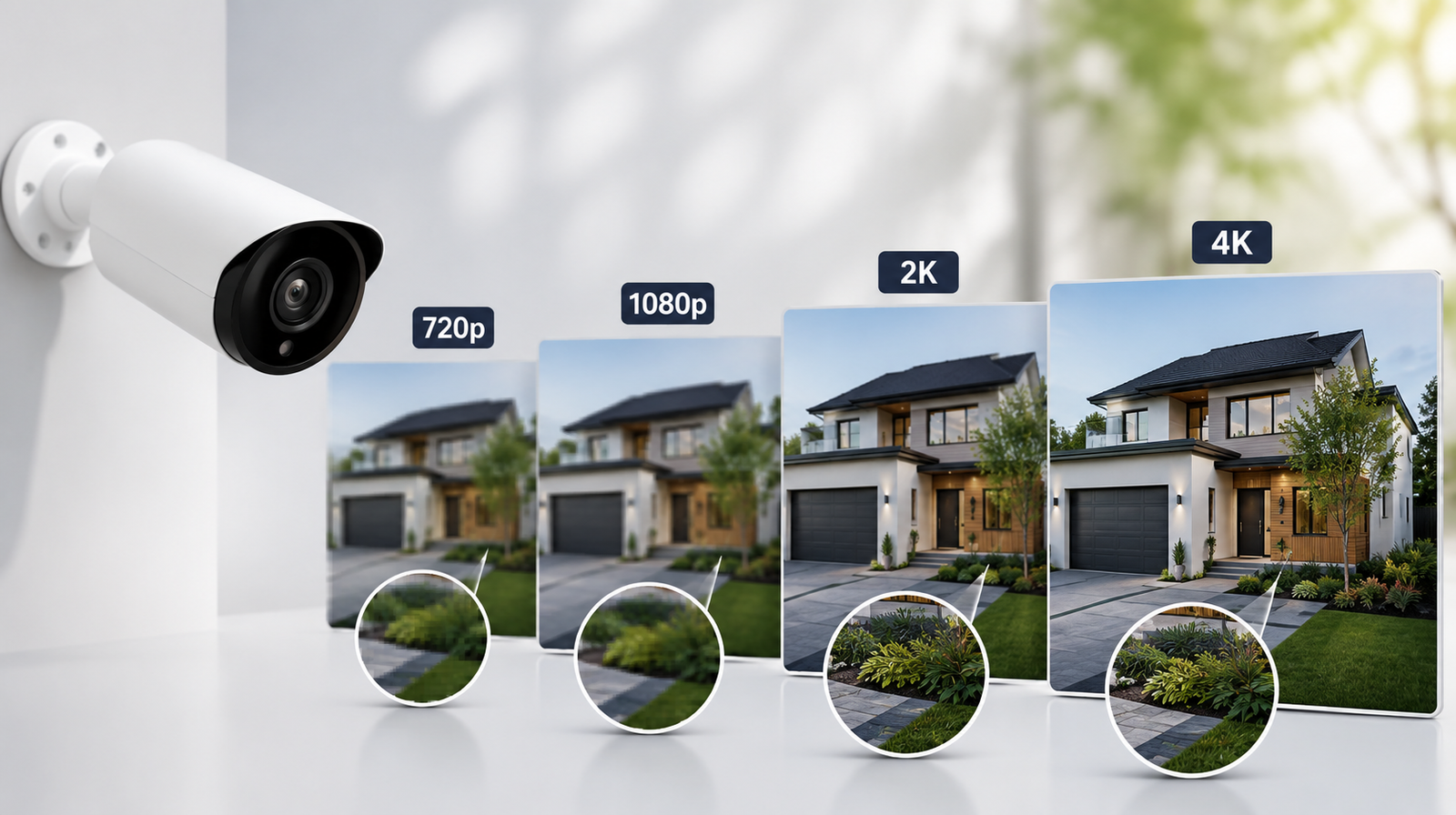
Another benefit is that outdoor cameras create recorded evidence if an incident occurs. High-definition footage can help identify suspects, document property damage, or support insurance claims.
For homeowners who travel frequently, outdoor cameras offer reassurance by allowing them to check their property remotely from anywhere using a smartphone.
Limitations of Outdoor Cameras
Although outdoor cameras provide excellent perimeter protection, they are not perfect.
One limitation is that they cannot monitor what happens once someone enters the home. If an intruder gains access through an unmonitored entry point or manages to disable an outdoor camera, interior activity may go unnoticed.
Outdoor cameras can also experience environmental challenges. Heavy rain, snow, fog, direct sunlight, or overgrown landscaping may temporarily affect image quality. Regular maintenance, including cleaning camera lenses and trimming vegetation, helps maintain optimal performance.
What Makes Indoor Security Cameras Different?
Indoor security cameras focus on activity inside the home rather than outside. They are typically smaller, more discreet, and designed for placement on shelves, walls, or ceilings.
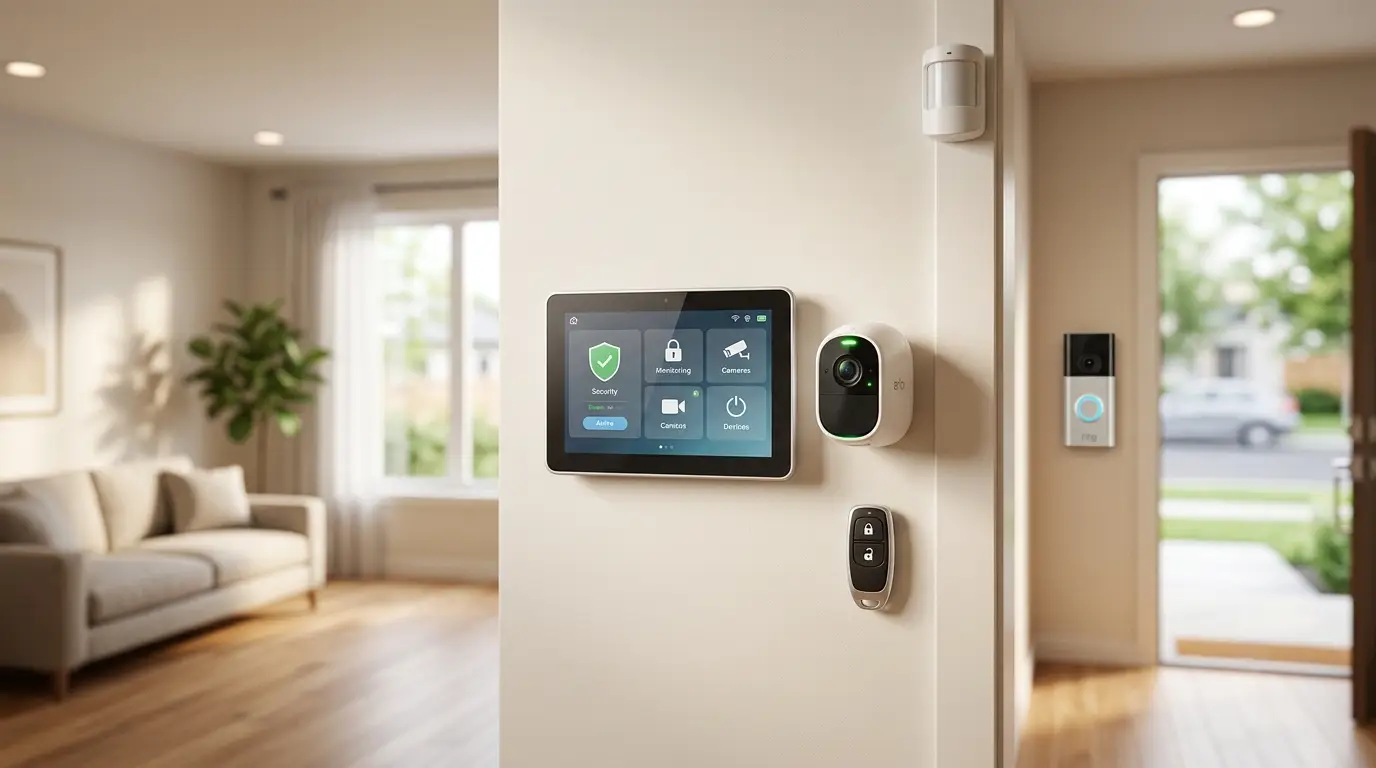
These cameras are valuable because they allow homeowners to verify what is happening inside after receiving an alert. If a door sensor or motion detector is triggered, an indoor camera can quickly confirm whether the event is a genuine emergency or simply a family member arriving home.
Indoor cameras also provide benefits beyond security. Many families use them to monitor children, elderly relatives, caregivers, or pets while away from home. Two-way audio allows homeowners to communicate directly through the camera, making them useful for checking in throughout the day.
Because indoor cameras operate in a controlled environment, they generally do not require weatherproof construction and often deliver excellent image quality with less demanding hardware.
Benefits of Indoor Security Cameras
Indoor cameras add another layer of protection by monitoring important areas inside the home.
They provide real-time visibility into hallways, living rooms, staircases, and entryways. If someone enters the property, indoor cameras can record movement throughout the home, creating valuable evidence and improving situational awareness.
Many homeowners also appreciate the convenience of checking on children after school, monitoring pets during work hours, or confirming that elderly family members are safe.
Indoor cameras are often easier to install than outdoor models because they do not require weatherproof mounting or exposure to harsh conditions.
Limitations of Indoor Cameras
While indoor cameras are extremely useful, they cannot prevent someone from approaching your home in the first place.
If your goal is to deter burglars before they attempt a break-in, outdoor cameras are generally more effective because they are visible and monitor exterior activity.
Privacy is another consideration. Some homeowners prefer not to install cameras in bedrooms or other private areas. Thoughtful placement helps balance security with personal comfort.
Which Areas Should Outdoor Cameras Cover?
Outdoor cameras provide the greatest value when installed at the property's most vulnerable locations.
These typically include:
- Front door
- Back door
- Garage entrance
- Driveway
- Backyard
- Side gates
- Ground-floor windows
- Detached garages or sheds
Monitoring these locations creates a strong perimeter around your property and reduces blind spots.
Where Should Indoor Cameras Be Installed?
Indoor cameras should focus on common areas rather than private spaces.
Good locations include:
- Main entryway
- Living room
- Hallways
- Staircases
- Kitchen entrances
- Home offices containing valuable equipment
Avoid placing cameras in bathrooms or bedrooms unless absolutely necessary and appropriate for your household.
Do You Need Both Indoor and Outdoor Cameras?
For many homeowners, the answer is yes.
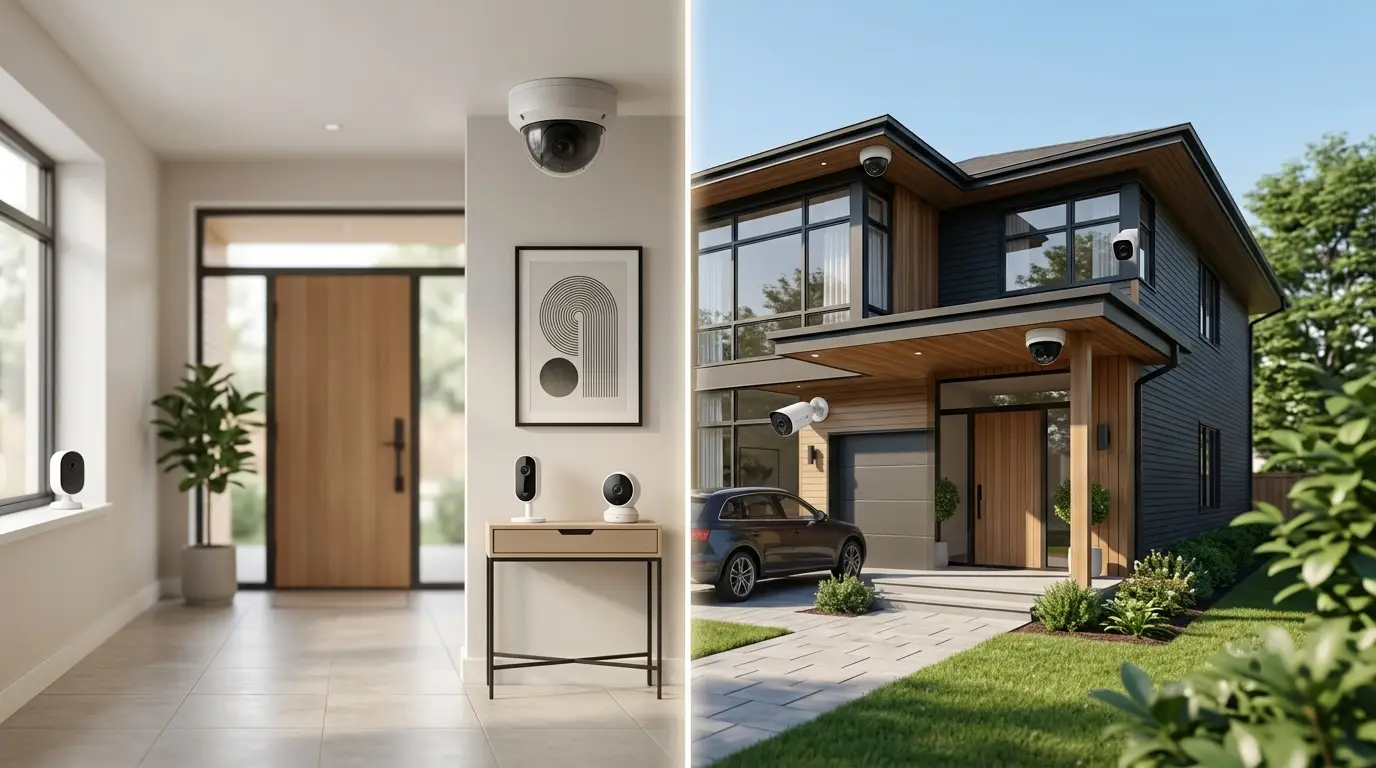
Outdoor cameras work as your first line of defense by discouraging suspicious activity before someone reaches your home. Indoor cameras provide a second layer of protection by monitoring activity inside if an intrusion occurs.
Together, they create a more complete security solution.
However, not every home requires both. Apartment residents may benefit more from an indoor camera and a video doorbell, while homeowners with larger properties often achieve the best protection by combining several outdoor cameras with one or two indoor units.
Your home's layout, neighborhood, lifestyle, and budget should guide your decision.
Choosing the Right Camera for Your Budget
You don't need to install cameras everywhere to improve security.
If you're starting from scratch, prioritize outdoor coverage at the front and back entrances. Once those areas are protected, consider adding indoor cameras to monitor key living spaces.
Many modern wireless security systems allow you to expand gradually, making it easier to build a complete system over time without a large upfront investment.
Quality placement almost always provides better results than simply purchasing more cameras.
Conclusion
Indoor and outdoor security cameras each play an important role in protecting your home, but they are designed for different purposes. Outdoor cameras help deter crime by monitoring your property's perimeter, while indoor cameras provide valuable visibility inside your home and allow you to verify activity after an alert.
Rather than choosing one over the other, think about the areas of your home that need the most protection. In many cases, combining both types of cameras creates the strongest security strategy by delivering multiple layers of defense.
Ultimately, the best security system isn't measured by how many cameras you own - it's measured by how effectively those cameras protect the people and property that matter most.
FAQs
Q. Are outdoor security cameras better than indoor cameras?
Not necessarily. Outdoor cameras help deter intruders before they enter your property, while indoor cameras monitor activity inside your home. Both serve different purposes and often work best together.
Q. Can I use an indoor security camera outside?
No. Most indoor cameras are not designed to withstand rain, dust, heat, or freezing temperatures. Outdoor cameras are specifically built for these conditions.
Q. How many indoor cameras does the average home need?
Most homes only require one or two indoor cameras placed in central locations such as entryways, hallways, or living rooms.
Q. Where is the best place to install an outdoor security camera?
The front door, back door, driveway, garage, and backyard are typically the most important locations because they cover the primary entry points.
Q. Is it worth installing both indoor and outdoor cameras?
Yes. Using both creates multiple layers of protection, helping deter intruders outside while monitoring activity inside if someone gains entry.